
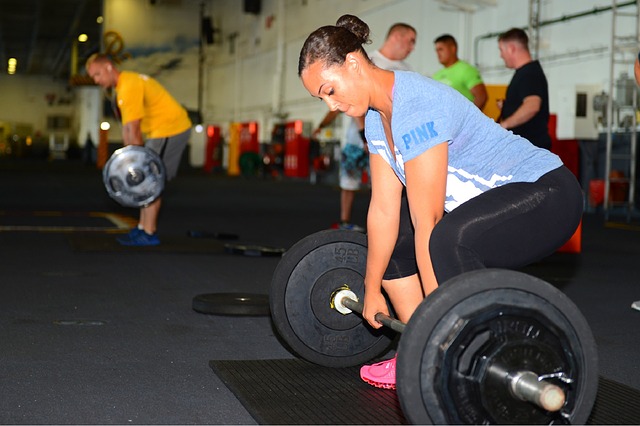
In the world of conflicting opinions, you will hear things “like there is no such thing as overtraining” On the other hand, you may hear people say “You can get seriously injured by overtraining.” So what is the truth?
For the sake of argument, I am not going to use the word “overtrain” because, these days people in the fitness world are constantly arguing over the meaning of the term. However, I will say that there are real health ramifications that come from training beyond your physical capacity to recover.
- Restlessness and inability to sleep: as a result of overtraining you can begin to feel restless. This is because your body is releasing high levels of cortisol in response to stress. This is bad. People think that stress and pushing your body to burn calories will lead to weight loss but, when cortisol levels are raised, your body holds on to fat. As a result, pushing through overtraining may lead to weight gain and begin a downward spiral toward poor performance.
- Chronic exhaustion: This is right around the corner. I know it sounds crazy but, it is true. As you continue, vitamin deficiencies have more extreme consequences and can lead to injuries like: torn muscles, ACL/MCL, hairline fractures in the foot, torn shoulder, torn pec muscles, rotator cuff injuries and rhabdomyolysis.
The problem is real and it is not just in the mind and there are real physical ramifications to training beyond your capacity to recover.
On the brighter side, a good conditioning trainer can design a training program that pushes you to the limit and then pulls back so that you can properly build your training capacity. In other words, as you train, you should not only be developing strength, explosiveness and cardiovascular capacity. You should be developing work capacity. But the sad reality is that 95% of trainers out there do not even understand how to do that, nor do they understand the importance of that.
So if you want your child, client or maybe even yourself, to have exceptional results from training, work capacity must be developed and the rest (if properly trained for) will come.
Follow on Facebook: https://www.facebook.com/FastFunctionalStrength/
Subscribe on YouTube: https://www.youtube.com/c/FastFunctionalStrength
Follow on Twitter: https://twitter.com/fast_func
 Fast Functional Strength